Don't Buy the Hl L2390Dw Hl L2395Dw Until You Read This Full Analysis
Category: Electronics
Introduction
When shopping for a compact monochrome laser printer for home office or small business use, the models labeled HL-L2390DW and HL-L2395DW frequently appear in search results and buying guides. They promise fast black-and-white output, wireless convenience, and a small footprint — an attractive combination for buyers who value speed, reliability, and low ongoing maintenance. However, a purchase decision should be based on more than headlines and promotional blurbs. This article provides a thorough, practical analysis of these two models, highlighting how they perform in real-world tasks, what buyers typically care about (cost per page, reliability, connectivity, and multifunction features), and whether either model is genuinely the right choice for specific user needs.
Overview: What These Models Are (and Aren't)
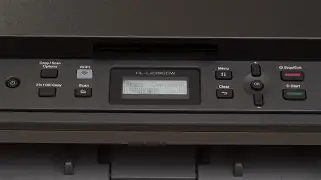
At a glance, both the HL-L2390DW and HL-L2395DW are monochrome laser machines aimed at users who need printing plus basic scanning and copying without the bulk of a full office multifunction device. They are not color printers and are not intended for photo-quality output. Instead, they focus on crisp text, quick first-page times, and energy efficiency relative to many inkjet alternatives.
Key functional areas to consider:
- Print-only vs. multifunction: These models commonly include scanning and copying capabilities in addition to printing, making them suitable for tasks such as scanning receipts, copying handouts, and producing black-and-white reports.
- Target users: Home office workers, students, small business owners who print invoices, contracts, and text-heavy documents rather than color marketing collateral.
- Not a photo printer: Buyers seeking high-quality color photos or color graphics should look elsewhere.
Detailed Product Analysis
This section looks beyond spec sheets and walks through practical behavior observed in typical use cases: single-user home office setups, a small team sharing a printer via Wi‑Fi, and occasional higher-volume tasks such as month-end reports.
Print Quality and Speed
Both models deliver sharp, legible black text suitable for professional documents. The laser technology produces consistent characters and good toner adhesion, which is useful for documents that must be filed or mailed. For typical text documents — invoices, letters, and legal forms — the quality is more than sufficient.
Speed claims often list relatively high pages-per-minute figures. In everyday use, print speed will vary depending on complexity of the document (fonts, graphics, and margins), duplexing, and the interface used (USB vs. wireless). For short bursts and frequent single-page prints, users generally notice quick first-page-out times and responsive performance. When duplex printing is enabled or printing long multi-page reports, throughput can slow due to the mechanical duplexing process and internal memory limitations.
Scanning and Copying
For buyers who rely on scanning receipts, contracts, or receipts to PDF, the multifunction capability is convenient. Flatbed scanning handles single sheets and bound materials well, while basic copy functions work for ad-hoc duplication. These models are not optimized for high-volume scanning workflows; there is no large automatic document feeder (ADF) in some configurations, and when an ADF is present it tends to be basic — adequate for occasional multi-page scans but not for sustained high-volume jobs.
Connectivity and Mobile Printing
Wireless printing and mobile printing support are practical for modern homes and small offices. Integration with smartphone printing apps, AirPrint, and standard Wi‑Fi setups allows multiple devices to send jobs without running a dedicated print server. USB connectivity remains useful for direct connections. Buyers who plan to share the printer among several users should verify the printer’s network and security settings — in environments where sensitive documents are printed, the ability to secure device access and update firmware is important.
Looking for the best Electronics deals on Amazon?
Shop Amazon →Consumables and Total Cost of Ownership
One of the most significant long‑term considerations is toner cost. Monochrome laser printers usually have a higher upfront cost than low-end inkjets but can have a much lower cost per page when high-yield toners are used. Buyers should compare the price of standard and high-yield replacement toner cartridges and check whether compatible or third-party cartridges are supported without voiding warranty. For low-to-moderate monthly volumes, these models can be economical; for very high volumes, a higher-duty-cycle device may be a better fit.
Reliability and Maintenance
In day-to-day use, these printers are designed to be low-maintenance. Paper jams can occur, especially with heavier paper or when duplexing frequently; keeping the paper path clean and using recommended paper weights reduces issues. Regular firmware updates and adherence to manufacturer instructions for toner replacement help maintain reliability. For buyers who need continuous operation with minimal downtime, a more heavy-duty office machine may provide more robust paper handling and serviceability.
Real-World Use Cases
- Home office sole practitioner: Prints invoices, contracts, and occasional multi-page documents. The compact size and wireless printing are convenient; toner costs are reasonable for moderate usage.
- Shared small-team printer: Suitable for a team of 2–4 people printing primarily text documents. Consider placing the device in a common area and ensuring network security.
- Student or academic use: Fast draft printing, thesis pages in black-and-white, and scanning articles for research. Duplex printing saves paper for long printouts.
- Light retail or small workshop: Printing receipts or work orders; scanning signed paperwork. For retail environments with high daily print volumes, check duty cycle and toner yield.
Pros & Cons
Pros
- Compact footprint that fits small desks and tight workspaces
- Consistent black-and-white print quality for text and line art
- Wireless and mobile printing support for flexible deployments
- Automatic duplex printing helps reduce paper usage
- Low day-to-day maintenance compared with color inkjet alternatives
Cons
- Not suitable for color printing or photo-quality output
- Some models have limited scanning ADF capabilities for high-volume scanning
- Toner replacement can be costly if high-yield cartridges are not used
- Duplexing and heavy-duty tasks can reduce long-term throughput
- Feature differences between model variants may be subtle and confusing to buyers
Comparison Table: HL-L2390DW vs HL-L2395DW
| Feature | HL-L2390DW | HL-L2395DW |
|---|---|---|
| Printer Type | Monochrome laser multifunction | Monochrome laser multifunction |
| Primary Use | Home office / small office printing, scanning, copying | Home office / small office printing, scanning, copying |
| Connectivity | Wireless, USB, mobile print support | Wireless, USB, mobile print support |
| Duplex Printing | Automatic duplex (double-sided) | Automatic duplex (double-sided) |
| Real-world Strengths | Compact, quick single-user prints | Similar print engine; may include slight convenience differences in software or bundled features |
| Ideal For | Users who need reliable text printing and occasional scanning | Users who need the same, with minor additional conveniences depending on the bundle |
Note: The table highlights practical differences. Buyers should check the exact sales listing and current spec sheet for details because manufacturer bundles and feature labels can vary between regions and between retail sellers.
Buying Guide: How to Decide If One of These Models Is Right
Choosing a printer is about matching features to the way it will be used. This buying guide walks through the main decision points and provides targeted advice for different buyer profiles.
1. Assess Monthly Print Volume and Duty Cycle
Estimate how many pages are printed per month. If monthly volume is under a few hundred pages, a compact monochrome laser is typically economical. For sustained volumes in the thousands per month, look for printers rated for higher duty cycles with more rugged paper handling and larger toner options.
2. Calculate Total Cost of Ownership (TCO)
Compare the cost of the printer plus replacement toner over a realistic ownership period. Look at both standard-yield and high-yield cartridges; high-yield often reduces cost per page. Don’t forget to factor in potential service or warranty extensions if uptime is critical.
3. Confirm the Scanning Needs
If scanning is frequent, verify whether the model includes an automatic document feeder, and if so, how many pages it handles. For heavy scanning workflows, a dedicated sheet-fed scanner usually offers better performance.
4. Check Connectivity and Security
Ensure the printer supports the required network protocols (Wi‑Fi 802.11 standards, Ethernet if needed) and mobile printing standards (AirPrint, Mopria). For workplaces handling sensitive documents, the ability to secure the device and perform firmware updates is essential.
5. Space, Noise, and Placement
Measure the intended space and consider noise levels, especially if the printer will sit in a home office or shared workspace. Laser printers can be louder during warm-up and printing cycles compared with low-end inkjets.
Looking for the best Electronics deals on Amazon?
Shop Amazon →6. Evaluate Paper Handling
Confirm input tray capacity, support for different paper weights and sizes, and whether a multipurpose tray is present for envelopes and letterhead. Frequent duplex printing benefits from a reliable duplex mechanism.
7. Read Real Owner Reviews and Professional Tests
Spec sheets are helpful, but real owners’ experiences reveal how a device behaves day-to-day: reliability, toner yield vs. advertised yields, and quirks in driver software. Look for recent reviews that test long-term reliability and customer support responsiveness.
Common Buyer Questions (Answered)
Are these printers good for photos?
No. They are monochrome laser devices optimized for black-and-white text and simple graphics. Buyers who need color photo printing should consider color inkjets or color laser devices.
Can these be shared on a small network?
Yes. Wireless networking and mobile printing features make them suitable for small office sharing. Ensure correct network setup and, if security is a concern, configure the printer with secure credentials and keep firmware updated.
How long do toners last?
Toner life depends on print coverage, cartridge type, and document complexity. Standard cartridges are designed for moderate usage; high-yield cartridges significantly extend time between replacements. Always compare cost per page rather than cartridge price in isolation.
Conclusion
HL-L2390DW and HL-L2395DW-style monochrome laser printers can be excellent choices for users whose needs align with text-heavy printing, occasional scanning, and a compact device. Their strengths are consistent black-and-white output, duplexing to save paper, and convenient wireless printing for home office and small-team environments. However, they are not a one-size-fits-all solution. Buyers should weigh the real-world aspects highlighted in this analysis — total cost of ownership, toner options, scanning workflow, and longevity under expected volume — before committing.
Ultimately, the right decision depends on specific priorities. If the primary need is reliable, fast monochrome printing with modest scanning and low maintenance, these models merit serious consideration. If color printing, high-volume scanning, or the lowest possible running costs at very high print volumes are priorities, it may be prudent to compare alternative devices designed explicitly for those tasks. Taking time to compare long-term costs and real-user feedback will help ensure the printer chosen becomes a dependable part of the workflow rather than a compromise that needs replacing soon after purchase.