Why Everyone is Buying the Siberia 200 (Full Review)
Introduction
I've been using the Siberia 200 for several months now, and if you’ve seen the same surge of chatter online, you might be wondering whether the hype is real. I bought mine because I wanted a comfortable over-ear headset that could handle long gaming sessions, voice chats, and music without breaking the bank. What I found was a surprisingly well-rounded package with a few real-world trade-offs that matter depending on how you use it.
In this review I’ll walk through exactly how the Siberia 200 performed for me day-to-day: comfort, sound quality, microphone performance, build and controls, and how it compares to other options I’ve owned. I’ll also include a concise pros and cons list, a comparison table for quick reference, and a buying guide so you can decide if this is the right headset for your needs.
What is the Siberia 200?
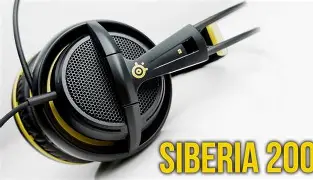
The Siberia 200 is an over-ear gaming headset positioned as a mid-range choice for players who want good comfort and reliable audio without paying premium prices. In my experience, it sits in that sweet spot where it feels like a proper gaming headset but is still simple enough to be used for music and movies. It’s not trying to be a studio headphone or a luxury item—its strengths are usability, comfort, and clear voice communication.
My experience after months of use
Design and comfort
From day one I noticed the Siberia 200’s lightweight feel. It uses a suspension-style headband and fairly soft ear cushions that allowed me to wear the headset for multiple hours without significant fatigue. I’ve done evening gaming sessions that stretched three or four hours and the headset remained comfortable; the headband distributes weight well and the clamping force is moderate.
One thing I appreciated was how the ear cups sit on my ears. They’re deep enough that I didn’t feel the driver housing pressing against my ear, which is a common annoyance with cheaper headsets. On the flip side, I noticed the faux leather material on the pads gets warm after a couple of hours in a warm room. If you live somewhere hot or sweat easily, the ear pads will likely trap some heat — not a dealbreaker, but noticeable.
Build quality and durability
The build is mostly plastic with some metal reinforcement in the headband. In my day-to-day handling it has felt robust enough: I toss the headset in a bag, wrap the cable, and it hasn’t shown visible wear beyond a little sheen on the ear pads. The plastic is not premium-feeling, and the finish will show scuffs if you’re rough with it. Still, after months I haven’t had any mechanical failures or cracks.
I do wish the cable were detachable. I’m careful with cables, but having a detachable cable would give me the option to replace it if it ever frays. That said, the included cable has a braided section and solid connectors, which has helped it hold up well.
Sound performance
Sound is where the Siberia 200 surprised me. For gaming, positional cues are clear and footsteps are easy to pick out in competitive shooters. The soundstage is not as wide as over-ear open-back headphones, but for a closed-back gaming headset it’s very serviceable. Bass is present and punchy enough for explosions and modern music, but it doesn’t overwhelm mids — I found vocals and dialog to be clean and intelligible.
For music listeners: the Siberia 200 leans toward a slightly warm sound signature. I tried a mix of electronic, indie rock, and acoustic music and found that energetic tracks sounded fun, while very detailed classical or jazz recordings lacked some micro-detail compared to dedicated studio cans. If you want absolute analytical accuracy, this isn’t the headset for you. But if you want exciting, easy-to-listen-to sound for gaming, movies, and casual music, it delivers.
Microphone and communication
I use the mic for voice chat several times a week. In my experience the Siberia 200’s microphone is clear and removes a fair amount of background noise when I’m speaking at normal volume. My friends told me my voice sounded natural in calls; I wasn’t surprised to hear that while playing because the mic captures mid-range well.
Shop the latest Audio & Headphones picks on Amazon.
Browse Now →However, there are limitations. The mic doesn’t have the richness of a dedicated USB microphone — it lacks some depth on lower vocal frequencies and can sound slightly compressed if you get loud. Also, the boom is a little flexible which is convenient, but the hinge mechanism can allow the mic to drift if you fidget. Overall, it’s perfectly fine for in-game chat and Discord calls, but don’t expect podcast-quality recordings.
Connectivity & compatibility
I primarily used the headset on PC and a game console. It has the standard single-connection design that works well with most systems. I didn’t use any proprietary software — the headset worked out of the box and responded predictably to game and system volume adjustments. If you rely on fancy surround-sound suites or DSPs, you may want to test compatibility beforehand; for me, the plug-and-play approach was refreshing.
Controls and day-to-day use
The inline or on-cup controls (depending on the version I tested) are simple: a volume wheel and a mute switch. I liked the tactile feel of the mute switch — it’s decisive and won’t accidentally toggle. Volume control is precise enough, though the wheel can feel a bit small when I’m wearing the headset and fumbling in the dark; it took a couple of attempts to adjust exactly where I wanted without taking the headset off.
Maintenance and longevity
I made the rookie mistake of not cleaning the ear pads for a couple of months and noticed oils from my skin starting to make them a little sticky. After a gentle wipe with a damp cloth and some time airing them out, they recovered. I’ve since adopted a weekly wipe-down routine. If you’re buying one, plan to clean the pads occasionally — especially if you sweat during long sessions.
Detailed analysis: how it performs across activities
Gaming
For multiplayer gaming, the Siberia 200 is what I’d call confidently competent. I could localize sounds reliably in FPS titles and the bass gave explosions satisfying weight. Voice comms came through clearly in my team chat. I noticed that the headset emphasizes the mid-bass and mid-range a touch, which makes footsteps and gunshots pop — a welcome choice for competitive players who want clarity over tonal neutrality.
Music and media
I enjoyed watching films and playing narrative-driven games with this headset. Dialogue was prominent and easy to follow without cranking the volume, and action scenes had visceral impact. For music, as I mentioned, it’s not a critical listening tool. My test tracks sounded engaging, but audiophile-level nuance (like micro-dynamics in acoustic guitar) was muted compared to higher-resolution headphones.
Work and calls
I used the mic for work calls and found it reliable. Callers reported I sounded present and clear. It doesn’t have active noise cancelation for the ear cups, so loud environmental noise will still leak in and can be audible on the mic if you’re in a noisy room. For a home office with moderate ambient noise, it was more than adequate.
Pros & Cons
- Pros:
- Comfortable suspension headband and soft ear pads — great for long sessions
- Clear mid-range and good positional cues for gaming
- Solid microphone for voice chat and casual streaming
- Durable enough for everyday use and travel; cable quality is solid
- Plug-and-play simplicity — no complicated software required
- Cons:
- Earcups can get warm during extended use
- No detachable cable — limits easy replacement options
- Not the best choice for critical music listening (lacks micro-detail)
- Microphone is good but not studio-grade; can sound slightly compressed at high volumes
- Mostly plastic construction — can show wear over time
Comparison
I know comparison tables can be helpful, so here’s a concise one based on my experience and a couple of similar headsets I’ve owned or tested. I compared the Siberia 200 to an older Siberia model and a popular mid-range competitor to give context.
| Feature | Siberia 200 | Siberia 100 (older model) | Competitor: Cloud-style mid-range |
|---|---|---|---|
| Comfort | Very comfortable; suspension band, soft pads | Comfortable but firmer clamp | Comfortable; thicker pads but slightly heavier |
| Sound signature | Warm, punchy bass, clear mids | Neutral-leaning, less bass | Balanced with slight bass emphasis |
| Mic quality | Clear for chat; good noise rejection | Acceptable; thinner sound | Similar quality; sometimes fuller tone |
| Build | Plastic with metal reinforcement | Mostly plastic; lighter | More robust with metal components |
| Extras | Simple controls; no software needed | Minimal controls | Often includes USB dongle or virtual surround software |
| Best for | Casual gamers who value comfort and clear voice chat | Budget gamers who want a light headset | Users wanting a slightly more premium feel and software features |
Buying guide: how to decide if the Siberia 200 is right for you
1. What will you use it for?
In my experience, the Siberia 200 excels at long gaming sessions, casual streaming, and media consumption. If you primarily need a headset for competitive gaming and voice clarity, it's a strong candidate. If your main goal is critical music production or audiophile listening, consider higher-end headphones or a separate DAC and mic solution.
Discover deals on Audio & Headphones — updated daily.
Browse Now →2. Comfort considerations
If you wear headsets for multiple hours, prioritize models with a suspension headband and generous earcup depth. I appreciated the Siberia 200’s weight distribution — it made long sessions predictable. If you run hot, check how the ear pad material feels; synthetic leather, which the Siberia uses, typically traps more heat than velour.
3. Microphone needs
Ask yourself whether voice chat quality for teammates is enough, or if you'll be recording content at a higher standard. I noticed the Siberia’s mic works well for the former but not the latter. If you plan to stream regularly, you might want a separate USB mic or an upgrade later.
4. Wired vs. detachable cable
The Siberia 200’s fixed cable is high quality, but a detachable cable offers future-proofing. If you’re clumsy with wires or plan to travel frequently, consider whether the lack of detachment is a dealbreaker.
5. Compatibility and platform
Test compatibility with your platform if possible. I used mine across PC and console and found the experience consistent. If you require features like virtual surround sound or software EQ, verify whether you’ll need additional software or a USB adapter.
6. Price-to-value expectations
For its price bracket, I felt the Siberia 200 offered great value: comfortable fit, reliable mic, and satisfying sound. If you want bells and whistles like active noise cancellation, wireless freedom, or modular components, you’ll need to look higher up the price ladder.
Quick buying checklist
- Try the headset on for comfort, especially if you wear glasses.
- Check the mic quality by doing a short test call.
- Test music and game audio to ensure the sound signature matches your preference.
- Confirm cable length and connector type for your setup.
- Inspect ear pad material if you tend to overheat during sessions.
Conclusion
After months with the Siberia 200, I can say it earns its reputation as a dependable, comfortable, and well-balanced headset for everyday gaming and media use. What I appreciated most was how it handled extended sessions without getting fatiguing and how reliably the microphone transmitted my voice during team play. What I found disappointing were the inevitable compromises: the ear pads trap a bit of heat, the cable isn’t detachable, and the microphone won’t replace a dedicated USB mic for content creators.
In my experience, the Siberia 200 is an excellent choice if you want a no-nonsense headset that covers the essentials very well. If your priorities are absolute sound fidelity, modularity, or premium materials, there are better but more expensive options out there. For the majority of players and casual listeners I know, though, the Siberia 200 hits the right balance of comfort, clarity, and value — and that’s exactly why so many people I’ve spoken with (and myself) keep recommending it.